
Our Collections












Medical Monitors
-
 Sale
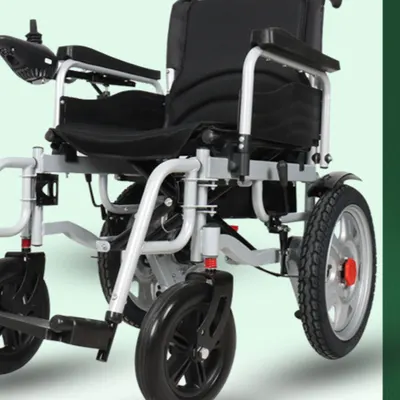
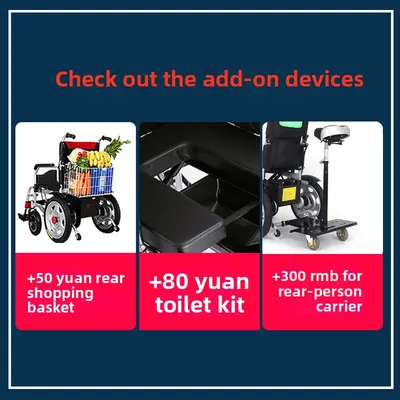
SaleFoldable Electric Mobility Scooter with Four-Wheel Stability
Regular price $545.81Regular price$710.32Sale price$545.81 -
 Sale
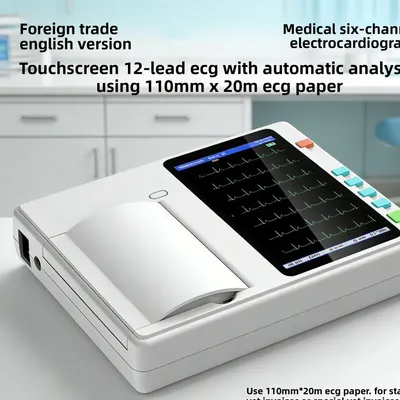
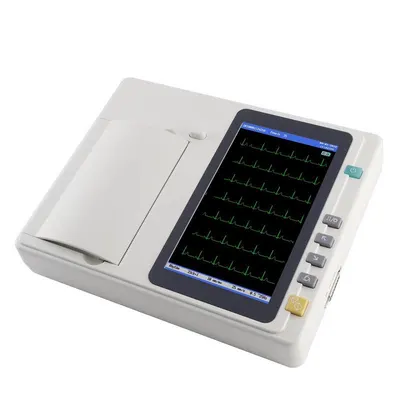
SaleMedical Touch Screen Six-Channel Electrocardiograph with Automatic Analysis
Regular price $630.71Regular price$793.03Sale price$630.71 -

 Sale
SaleManuka Honey UMF 5+ to 25+ Raw New Zealand Import
Regular price From $46.35Regular priceSale priceFrom $46.35 -
 Sale
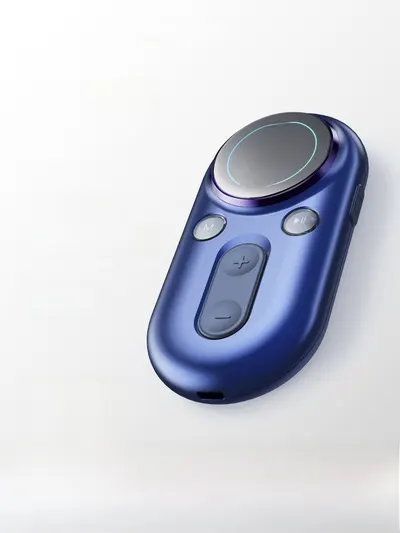
SaleAdjustable VNS Sleep Aid Device with LCD Display and Portable Design
Regular price $935.96Regular price$1,062.53Sale price$935.96 -
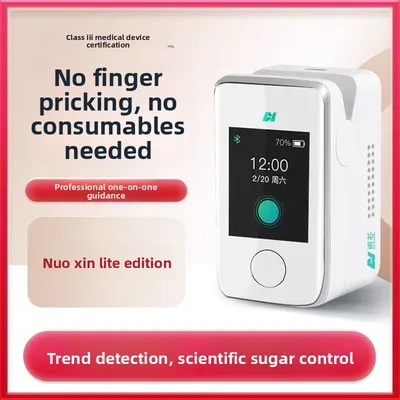
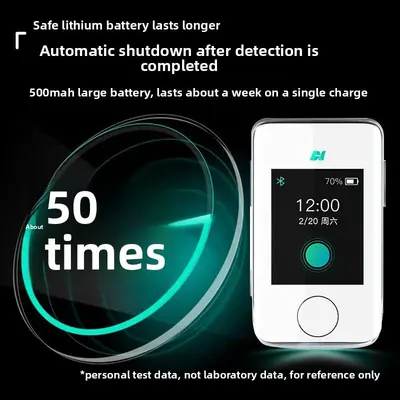
Non-invasive Blood Glucose Meter with Pain-Free Clip-On Design
Regular price $692.90Regular priceSale price$692.90 -
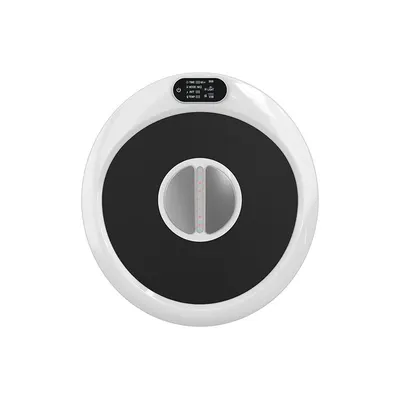

Black Pelvic Floor Muscle Trainer for Postpartum Recovery
Regular price $759.73Regular priceSale price$759.73 -
 Sale
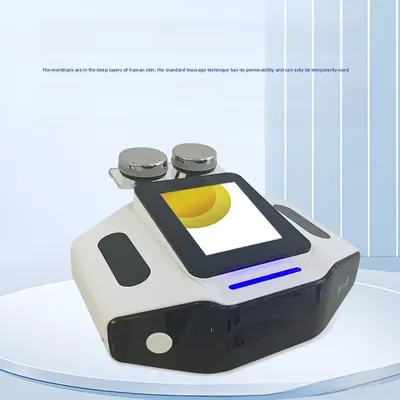
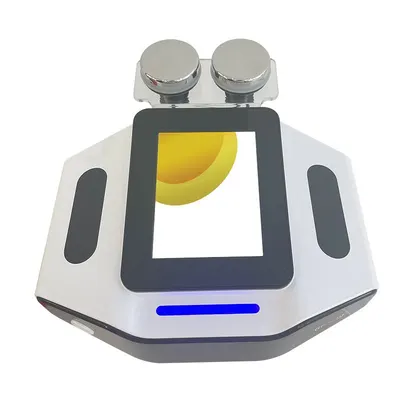
SalePortable Physiotherapy Massage Gun for Muscle Recovery and Relaxation
Regular price $864.31Regular price$1,179.49Sale price$864.31 -
 Sale
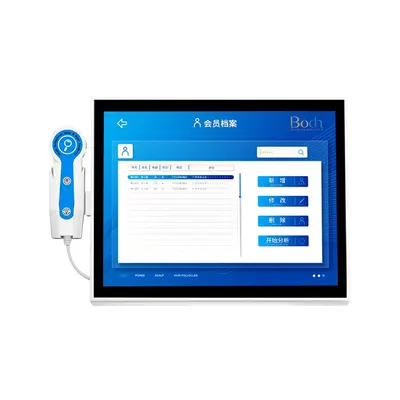
SaleScalp Detector with Three Spectrum Analysis and HD Display
Regular price $556.00Regular price$653.01Sale price$556.00 -
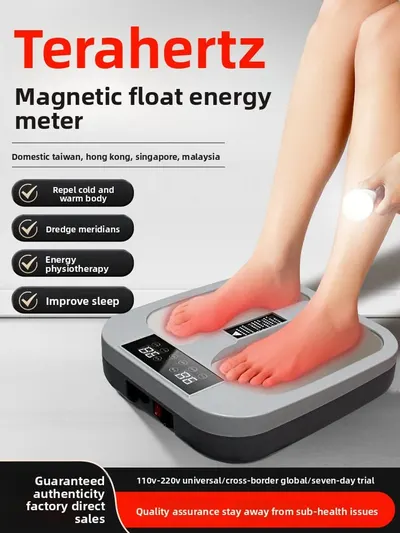

Terahertz Foot Massage Device for Circulation and Fatigue Relief
Regular price From $104.03Regular priceSale priceFrom $104.03
No products match these filters. Remove all
Medical monitors for home use help you track everyday health readings between doctor visits, including upper-arm and wrist blood pressure monitors, infrared and digital thermometers, fingertip pulse oximeters, heart rate monitors and smart body scales. Prices start at $19.54.
Key Takeaways
- Home medical monitors include blood pressure monitors, thermometers, pulse oximeters, heart rate monitors and body scales.
- The American Heart Association recommends an automatic, validated, upper-arm cuff monitor for checking blood pressure at home.
- The FDA warns not to use smartwatches or smart rings that claim to measure blood glucose without piercing the skin.
- Home readings support, but never replace, diagnosis and treatment from your doctor.
- Choose devices with clear instructions, a readable display and memory to track readings over time.
On this page
- What Are Home Medical Monitors?
- Types of Medical Monitors
- Blood Pressure Medical Monitors
- Thermometers
- Pulse Oximeters
- Heart Rate and Activity Monitors
- Smart Body Scales
- How to Choose Medical Monitors
- Getting Accurate Readings
- When to Contact a Doctor
- Caring for Your Medical Monitors
- Shipping, Returns and Support
- Medical Monitors FAQs
- Find the Right Medical Monitors
What Are Home Medical Monitors?
Home medical monitors are devices that measure everyday health readings, such as blood pressure, temperature, oxygen saturation, heart rate and weight. Used regularly and correctly, they help you and your doctor see trends over time and spot changes early.
Monitoring is not diagnosis
A reading from medical monitors on its own doesn't diagnose a condition. Share your results with your doctor, who can interpret them alongside your history and symptoms.
Agree a plan with your doctor
Ask which measurements matter for you, how often to take them and which type of monitor your doctor recommends.
Types of Medical Monitors
| Monitor | What it measures | Tips |
|---|---|---|
| Upper-arm blood pressure monitor | Systolic and diastolic pressure, pulse | Choose a validated monitor with the right cuff size |
| Wrist blood pressure monitor | Blood pressure at the wrist | Keep your wrist at heart level and ask your doctor if it suits you |
| Digital thermometer | Body temperature | Use the same method every time |
| Fingertip pulse oximeter | Estimated oxygen saturation and pulse | Keep your hand warm and still |
| Heart rate monitor | Heart rate during activity | Chest straps are usually steadier than wrist sensors |
| Smart body scale | Weight and estimated body composition | Weigh at the same time each day |
Blood Pressure Medical Monitors
Upper-arm monitors
The American Heart Association recommends an automatic, cuff-style, upper-arm monitor and advises choosing one that has been validated.
Cuff size matters
The AHA advises measuring around your upper arm and choosing a monitor with the correct cuff size, because an incorrect cuff gives inaccurate readings.
How to measure
Remove clothing from the arm, sit with your back supported and feet flat, and rest your arm on a flat surface with the middle of the cuff at heart level.
Keep a log
Record readings from your medical monitors with the date and time and share them with your doctor. The AHA notes that home monitoring doesn't replace regular doctor visits, and you shouldn't stop taking blood pressure medication without checking with your healthcare professional.
Wrist monitors
Wrist monitors are compact and convenient, but the AHA recommends upper-arm cuffs for home use. Ask your doctor before relying on a wrist model.
Thermometers
Forehead and ear thermometers
Infrared thermometers give fast readings, often in a second or two.
Digital stick thermometers
Oral and underarm thermometers are simple, affordable and reliable when used as directed.
Consistent readings
Use the same method and site every time, and follow the instructions on timing and positioning. Ask your doctor when a fever needs medical attention, especially for babies and young children.
Pulse Oximeters
Fingertip pulse oximeters are compact medical monitors that estimate oxygen saturation and pulse rate through a light sensor. Readings can be affected by cold hands, movement, nail polish and other factors, so keep your hand warm and still and remove polish from the measuring finger. Don't rely on a reading alone; contact a doctor or emergency services if you have shortness of breath, chest pain or other worrying symptoms.
Heart Rate and Activity Monitors
Chest straps and armbands
Bluetooth chest straps and armbands track heart rate during exercise and sync with fitness apps.
Smart rings and watches
Consumer wearables show heart rate and sleep trends for general wellness.
Know the limits
The FDA says it has not authorised, cleared or approved any smartwatch or smart ring intended to measure or estimate blood glucose on its own, and advises people not to buy or use devices that claim to.
Smart Body Scales
Bluetooth scales track weight and estimate body fat, muscle and water. Body composition figures are estimates that vary with hydration, meals and exercise, so focus on long-term trends and weigh yourself at the same time each day.
How to Choose Medical Monitors
- Ask your doctor which measurements you need and how often.
- Choose the device type your doctor recommends.
- For blood pressure, choose a validated upper-arm monitor with the right cuff size.
- Look for a large, clear display and simple buttons.
- Check memory, app syncing or voice features if they'd help.
- Check battery or charging type.
- Read the full instructions and practise before relying on readings.
Getting Accurate Readings
| Measurement | Good habit | Why |
|---|---|---|
| Blood pressure | Rest five minutes first, same time daily | Comparable readings |
| Temperature | Same method and site each time | Consistent results |
| Oxygen saturation | Warm, still hand, no nail polish | Fewer false readings |
| Heart rate | Use a snug chest strap for exercise | Steadier tracking |
| Weight | Same time, same scale, similar clothing | Clear trends |
When to Contact a Doctor
Contact your doctor or emergency services straight away if you have chest pain, severe shortness of breath, confusion, fainting, a very high fever or any reading your doctor has told you to act on. Never delay seeking care because home medical monitors show a normal reading.
Caring for Your Medical Monitors
- Store devices in a dry place at room temperature.
- Replace batteries when the low-battery warning appears.
- Check cuffs and straps regularly for wear.
- Clean sensors and probes as the instructions describe.
- Keep the manual for reference.
Shipping, Returns and Support
We ship health products to US addresses only, and standard shipping is free. Most orders arrive within 6 to 32 business days, and you can track your order once it ships.
Returns are accepted within 30 days of delivery if the item is new, unused and in its original packaging, with no restocking fee. Opened personal health items may not be returnable for hygiene reasons. Read the full terms in our return policy, and contact our support team if your order arrives damaged.
Medical Monitors FAQs
Which blood pressure monitor is best for home use?
The American Heart Association recommends an automatic, cuff-style, upper-arm monitor that has been validated, with a cuff that fits your arm. Ask your doctor to check your technique and compare your monitor with a clinic reading.
Are wrist blood pressure monitors accurate?
The AHA recommends upper-arm cuffs for home use. If you use a wrist monitor, keep your wrist at heart level, follow the instructions exactly and ask your doctor whether it's suitable for you. Sit still and avoid talking during the reading.
Can a smartwatch or ring measure blood sugar?
No. The FDA says it has not authorised, cleared or approved any smartwatch or smart ring to measure blood glucose on its own, and advises against using them for this. People with diabetes should use FDA-authorised devices their doctor recommends.
How accurate are fingertip pulse oximeters?
Readings can be affected by cold hands, movement, nail polish and other factors. Use them as one source of information, and contact a doctor about symptoms rather than relying on a number alone. Skin tone can also affect readings.
Can home monitors replace doctor visits?
No, home readings help you and your doctor track trends, but they don't replace check-ups, diagnosis or treatment. Never change or stop medication based on home readings alone. Bring your log to every appointment.
How often should I take my blood pressure?
Follow your doctor's advice. Many people measure at the same times each day, such as morning and evening, and record every reading so their healthcare professional can see clear trends. Rest for five minutes before each measurement.
What's the best thermometer for a family?
A fast infrared forehead or ear thermometer suits busy families, while digital stick thermometers are simple and reliable. Ask your paediatrician which method they prefer for babies and young children. Clean the probe between users.
Do I need a prescription for these monitors?
Most home blood pressure monitors, thermometers, pulse oximeters and scales don't need a prescription. Your doctor can still advise which type is right for you and how to use it correctly. Some specialised devices do require one.
How do I check my blood pressure monitor is accurate?
Take your monitor to your next appointment and compare its reading with your doctor's measurement on the same arm. If the numbers differ significantly, ask your doctor or pharmacist to check your technique and cuff size.
What should I do if a reading seems wrong?
Wait a few minutes, check your position and the device setup, then repeat the measurement. If readings stay unusual or you feel unwell, contact your doctor, and call emergency services for severe symptoms.
How long does shipping take?
Most orders arrive within 6 to 32 business days of being placed. That covers 1 to 2 business days of handling and 5 to 30 business days in transit. Standard shipping is free on every order, and we currently ship to US addresses only.
Can I return a medical monitor?
Unused items can be returned within 30 days of delivery in their original packaging. Opened personal health items may not be returnable for hygiene reasons. Email support@globalswanky.com with your order number to start a return, and there's no restocking fee.
Find the Right Medical Monitors
Choosing medical monitors comes down to three checks: what your doctor wants you to track, a validated, easy-to-use device, and a simple routine for recording readings. A validated upper-arm blood pressure monitor and a reliable thermometer are a sensible start.
Ready to choose? Scroll up to the product grid, or browse our health monitoring and devices and personal health care collections.
- Choosing a selection results in a full page refresh.
- Opens in a new window.

Global Swanky
1 × $0.00 · Free US shipping
$0.00
- 1 Payment
- 2 Shipping
- 3 Done
Checkout is temporarily unavailable.
Please try again in a moment, or email support@globalswanky.com and we will help you order.
Secured by Stripe. Card details go straight to Stripe, never to our servers.
Order confirmed
Thank you. A confirmation is on its way to .
- Order number
- Total paid
- Paid with
- Delivery
- Dispatched within 24 hours, 3–7 business days