
Our Collections











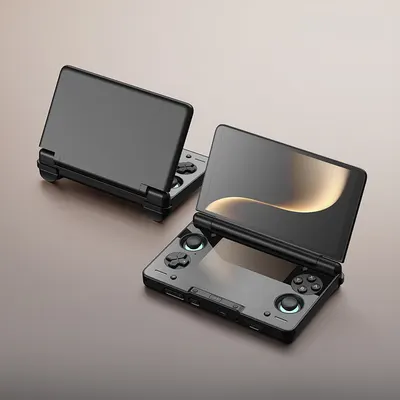
Smart Tech & Wearables
-
 Sale
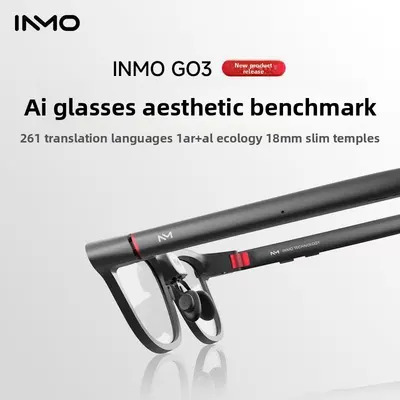
SaleAI Smart Glasses with 8MP Camera and Voice Control
Regular price $817.47Regular price$1,151.25Sale price$817.47 -
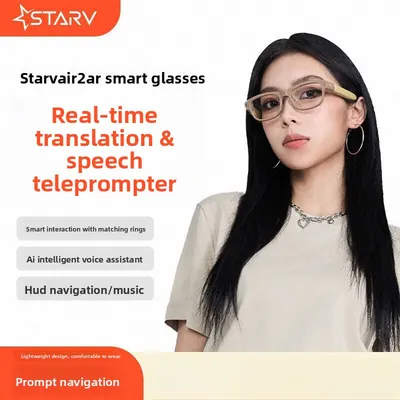
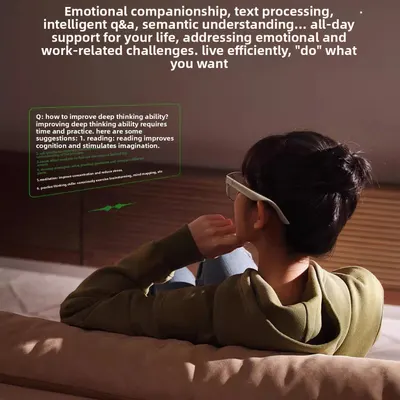
Smart AR Glasses with Real-Time Translation and Teleprompter
Regular price $698.62Regular priceSale price$698.62 -

 Sale
SaleAR Smart Glasses with Real-Time Translation and Teleprompter
Regular price $715.66Regular price$809.29Sale price$715.66 -

 Sale
SaleAR Smart Glasses with Head-Mounted Display for Immersive Viewing
Regular price From $308.97Regular priceSale priceFrom $308.97 -
 Sale
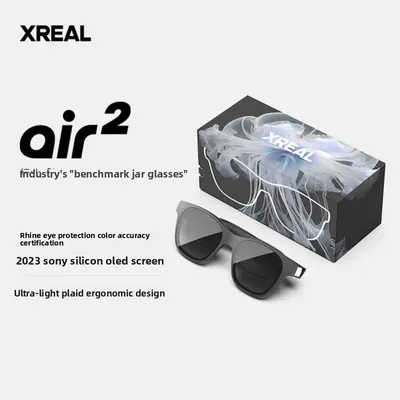
SaleSmart AR Glasses with Micro-OLED Display for Gaming and Travel
Regular price From $664.33Regular priceSale priceFrom $664.33 -
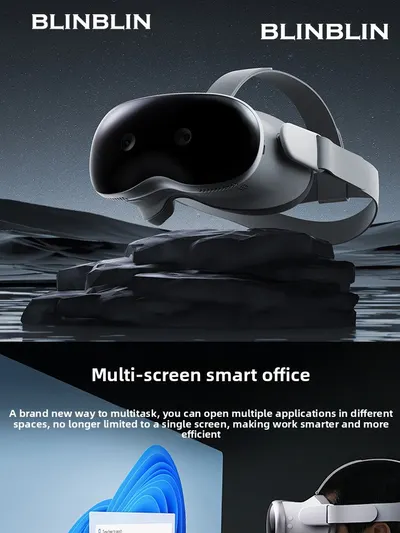
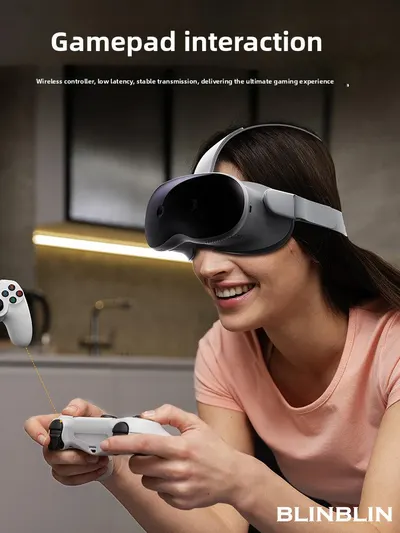
Smart VR Glasses with Multi-Screen and Long Battery Life
Regular price $846.83Regular priceSale price$846.83 -
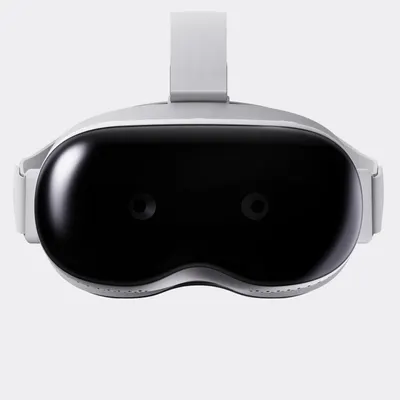
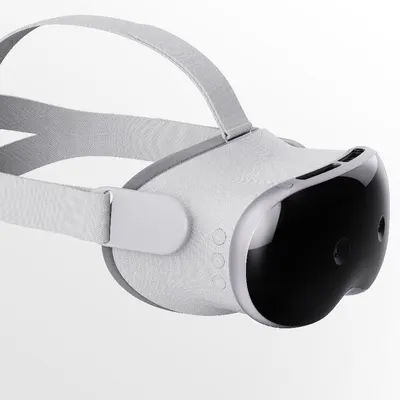
VisionSE MR VR Headset 4K HD All-in-One for Immersive Gaming
Regular price $622.38Regular priceSale price$622.38 -
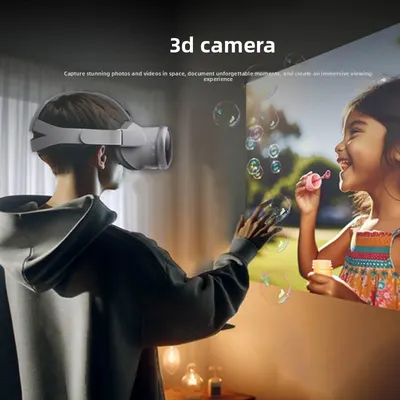

VR Glasses Virtual Reality Headset Lightweight for Immersive Viewing
Regular price $812.12Regular priceSale price$812.12
No products match these filters. Remove all
Smart tech wearables at Global Swanky include Bluetooth-calling smartwatches, AI translation and camera glasses, AR and VR headsets, kids' GPS watches, fitness bracelets, item trackers and watch straps. Most cost $20 to $80, with free US shipping.
Key Takeaways
- Our smart tech wearables collection lists 635 products, priced from $10.35 to $846.83 as of October 5, 2026.
- Smartwatches lead with 334 listings, followed by 214 smart glasses and 33 trackers.
- The median starting price is $47.52, and 479 listings start between $20 and $80.
- The FDA warns not to buy or use smartwatches or smart rings that claim to measure blood glucose without piercing the skin.
- Consumer wearables are best treated as wellness tools, not medical devices, unless they're FDA authorized for a medical use.
On this page
- What Are Smart Tech Wearables?
- What's in Our Smart Tech Wearables Collection?
- Smartwatches
- Fitness Bracelets and Bands
- Health and Fitness Tracking: What Wearables Can and Can't Do
- Smart Glasses
- AR and VR Headsets
- Trackers and Locators
- Kids' Smartwatches
- Watch Straps and Accessories
- AI Voice Recorders
- Smartwatch or Fitness Bracelet?
- How Smart Glasses Work
- Choosing the Right Smart Glasses
- AR vs VR: What's the Difference?
- Getting the Best Fit
- Extra Features Worth Knowing
- How to Choose Smart Tech Wearables
- Phone Compatibility and Companion Apps
- Battery Life and Charging
- Water Resistance Ratings Explained
- Displays and Screen Sizes
- Camera Glasses: Privacy and Etiquette
- Data Privacy and Security
- Setting Up Your Wearable
- Smart Tech Wearables for Different Lifestyles
- Smart Tech Wearables as Gifts
- Caring for Smart Tech Wearables
- Troubleshooting Smart Tech Wearables
- Safety Notes for Wearable Users
- What the Specs Mean
- Common Myths About Smart Tech Wearables
- Buying Smart Tech Wearables Online Safely
- Questions to Ask Before You Buy
- When to Upgrade Your Wearable
- Smart Tech Wearables at Work
- Building a Connected Wearable Setup
- Using Wearables Outdoors and in Different Weather
- How Much Do Smart Tech Wearables Cost?
- Common Mistakes When Buying Smart Tech Wearables
- Shipping, Returns and Support
- Why Shop Smart Tech Wearables at Global Swanky?
- Smart Tech Wearables FAQs
- Find the Right Smart Tech Wearables for You
What Are Smart Tech Wearables?
Smart tech wearables are electronic devices you wear on your body, such as smartwatches, fitness bands, smart glasses and trackers. Wikipedia describes wearable technology as devices worn on, near or inside the body, often built into accessories or clothing.
Most smart tech wearables connect to your phone by Bluetooth. They show notifications, track activity, take calls, play music or capture photos, so you can do quick tasks without reaching for your phone.
Wikipedia notes that smartwatches are among the most common wearable form factors, alongside smart rings. Smart glasses, earbuds and head-mounted displays are growing categories too.
Types of smart tech wearables
Here are the main groups you'll find in our range:
- Smartwatches: wrist devices for notifications, calls, fitness and health tracking.
- Fitness bracelets: slimmer bands focused on steps, sleep and heart rate.
- Smart glasses: frames with speakers, microphones, cameras or translation features.
- AR and VR headsets: displays for immersive viewing and gaming.
- Trackers: small tags that help you find keys, bags, pets and luggage.
- Kids' smartwatches: watches with GPS location, calling and SOS features.
- Straps and accessories: replacement bands and charging gear.
What's in Our Smart Tech Wearables Collection?
The collection lists 635 products, and every one showed as available when we updated this page on October 5, 2026. Prices run from $10.35 to $846.83, with a median starting price of $47.52.
Here's how the range breaks down.
| Group | Listings | What you'll find | Example and price (USD) |
|---|---|---|---|
| Smartwatches | 334 | Calling, AMOLED, sports, 4G and kids' watches | Smart Watch with Bluetooth Calling and AMOLED Display ($51.81) |
| Smart glasses | 214 | Audio, camera, translation and AR/VR glasses | AI Smart Glasses with Real-Time Translation and Bluetooth ($49.70) |
| Trackers and locators | 33 | Item trackers, pet GPS and card trackers | Ultra-Thin Wireless Card Tracker with Findmy Compatibility ($32.05) |
| Watch straps | 34 | Bands for Apple, Samsung and other watches | Apple Watch Silicone Sport Strap ($21.85) |
| AR and VR devices | 32 | Headsets, AR glasses and accessories | Smart AR Glasses Portable for Immersive Viewing ($449.03) |
Smartwatch, smart glasses and tracker counts come from product types; strap and AR/VR counts come from titles, so some overlap. A few listings in the collection aren't wearables, so use the filters to focus on what you need.
Smartwatches
Smartwatches are the most popular smart tech wearables in our range, with 334 listings. Our dedicated smartwatches collection and GPS smartwatches collection let you browse them on their own. They pair with your phone to show notifications, take calls and track activity.
Bluetooth calling smartwatches
Calling smartwatches have a built-in microphone and speaker, so you can answer calls from your wrist while your phone stays in your pocket. 109 titles in the collection mention Bluetooth calling.
Examples include the Smart Watch with Bluetooth Calling and AMOLED Display ($51.81) and the Bluetooth Calling Health Monitoring Sports Watch with Heart Rate Tracking ($31.28).
AMOLED display watches
AMOLED screens show deep blacks and bright colors, and they're easier to read outdoors. 26 titles mention AMOLED, such as the Outdoor Sports Watch 1.95" AMOLED, Bluetooth Calling, Waterproof ($65.69).
Sports and outdoor watches
Sports watches add multiple workout modes, rugged cases and water resistance. The AK87 Outdoor Smart Watch with Health Monitoring and Long Battery Life costs $58.45 to $61.46, and the Outdoor Sports Smartwatch with Bluetooth Call and Heart Rate Monitor costs $38.52.
4G and SIM smartwatches
Some smartwatches take a SIM card, so they can make calls and use data without your phone nearby. 29 titles mention 4G, LTE, SIM or cellular, such as the Smart Watch with GPS, LTE, and Health Tracking ($112.45 to $131.08).
Check that the watch supports your carrier's network bands before you buy, since compatibility varies.
Smartwatches with cameras
A few watches include a rotating camera for photos and video calls. The Android Smartwatch with Rotating Camera and AMOLED Display costs $326.30, and the Smart Watch with Rotating Camera and SIM Card Support costs $90.86 to $103.42.
Budget smartwatches
Plenty of smart tech wearables cost under $30. The Smart Watch with Touch Screen and Waterproof Design costs $21.27, and the Sports Smart Watch with Step Counter, Waterproof Fitness Tracker costs $29.16.
Budget watches cover the basics well, such as notifications, steps and sleep, though apps and sensors are usually simpler than premium models.
Fitness Bracelets and Bands
Fitness bracelets are slimmer than smartwatches and focus on activity tracking. Browse more in our fitness tracker collection. They're light enough to wear to bed, which makes them good for sleep tracking.
Our range includes the Smart Bracelet with Health Monitoring and Bluetooth Connectivity ($32.19), the Smart Wristband Health Tracker with Heart Rate and Blood Pressure Monitor ($24.27) and the Smart Bracelet Alarm Clock for Students with Sleep Tracking ($29.77).
Vibrating alarms on bracelets wake you without disturbing others, a handy feature for students, shift workers and shared rooms.
Health and Fitness Tracking: What Wearables Can and Can't Do
Health features are a big reason people buy smart tech wearables, and they're worth understanding before you buy. Many of our watches list heart rate, blood oxygen, sleep, temperature or blood pressure tracking.
Here's how often common health features appear in product titles.
| Feature | Titles mentioning it | What to know |
|---|---|---|
| Heart rate | 66 | Optical sensors estimate heart rate; useful for workout trends |
| Sleep tracking | 22 | Estimates sleep duration and patterns from movement and heart rate |
| Blood pressure | 20 | Wrist estimates aren't a substitute for a validated blood pressure cuff |
| Blood oxygen | 15 | Spot readings for wellness; not for diagnosing conditions |
| Temperature | 6 | Skin temperature trends, not core body temperature |
| ECG | 5 | Check whether the feature is FDA cleared before relying on it |
| Blood sugar or glucose | 4 | The FDA warns against non-invasive glucose claims |
Counts come from product titles on October 5, 2026.
Wellness tracking, not medical diagnosis
Most consumer smart tech wearables are designed for general wellness: tracking steps, workouts and sleep trends. Readings can be affected by fit, skin tone, movement, tattoos and sensor quality, so treat them as estimates.
If you have a health condition, rely on devices your doctor recommends, and talk to them before changing any treatment based on a wearable reading.
The FDA warning on blood glucose claims
The FDA warns consumers not to buy or use smartwatches or smart rings that claim to measure blood glucose levels without piercing the skin (FDA, Safety Communication). It says the safety and effectiveness of these devices haven't been reviewed by the FDA, and that they could give inaccurate readings.
The FDA adds that this applies to any smartwatch or smart ring making that claim, regardless of brand. People with diabetes should keep using the glucose monitoring equipment their care team provides.
Four titles in our range mention blood sugar or glucose. Don't use any wearable to make diabetes decisions unless it's an FDA-authorized glucose monitoring system.
Blood pressure and ECG features
Blood pressure on the wrist is hard to measure accurately without a cuff. If you need to monitor blood pressure, use a validated home blood pressure monitor and follow your doctor's advice.
Some premium smartwatches offer FDA-cleared ECG features, but many budget models don't. Look for clear clearance information in the listing before relying on any ECG reading.
Smart Glasses
Smart glasses are the second-largest group of smart tech wearables in our range, with 214 listings; see our smart glasses collection for the full set. They combine eyewear with speakers, microphones, cameras or translation features.
Audio glasses
Audio glasses have small speakers in the arms that direct sound toward your ears, so you can hear music and calls while staying aware of your surroundings. The Smart Bluetooth Glasses with Dual Speakers for Outdoor Activities cost $37.78.
Camera glasses
Camera glasses record photos and video from your point of view, hands-free. 125 titles in the collection mention a camera, such as the W610 Smart Camera Glasses with Bluetooth and 8MP HD Recording ($100.71).
Camera specs are often listed in megapixels or as "800W," which means about 8 megapixels. Check the listing for video resolution and storage before you buy.
AI translation glasses
Translation glasses use your phone's app and microphones to translate speech in real time. 103 titles mention translation, from the AI Smart Glasses with Multilingual Translation for Travel ($38.44 to $44.53) to the AI Translation Bluetooth Glasses with Dual Mic and 12MP Camera ($139.63).
Translation accuracy depends on the app, the language pair and background noise. Speak clearly, pause between sentences and face the person you're talking with for the best results, and check whether the app needs a subscription for certain languages or offline use. Most features need an internet connection through your phone.
Sunglasses and lens options
Thirteen titles mention polarized, photochromic or sunglasses lenses. The Smart Photochromic Glasses with Polarized Lenses for Driving cost $20.85 to $22.13, and the Bluetooth Smart Glasses with Photochromic Lenses and Hands-Free Calls cost $34.29 to $63.27.
If you need prescription lenses, check whether the frame accepts them before ordering.
AR and VR Headsets
AR and VR devices are the most expensive smart tech wearables in our collection, and our VR devices collection focuses on headsets. AR glasses overlay digital content on the real world or act as a portable big screen, while VR headsets create fully immersive experiences.
The Smart AR Glasses Portable for Immersive Viewing cost $449.03, and the AR Smart Glasses with Real-Time Translation and Teleprompter cost $715.66. The Smart VR Glasses with Multi-Screen and Long Battery Life cost $846.83, the highest price in the range.
For Meta Quest 3 owners, the VR Headset Battery Pack with Fast Charging costs $55.12 to $56.63. Take regular breaks when using AR or VR, and stop if you feel dizzy or uncomfortable.
Trackers and Locators
Item trackers are small smart tech wearables that help you find keys, wallets, bags, pets and luggage, and they're among the most affordable in our range. They connect to your phone and can ring or show a last-known location.
Phone-network trackers
Some trackers use a phone maker's crowd-finding network. The Ultra-Thin Wireless Card Tracker with Findmy Compatibility costs $32.05, and the Google Compatible Item Locator with Bluetooth Tracking and Anti-Loss Alerts costs $26.22 to $28.51.
Check that the tracker works with your phone's system: Apple Find My for iPhone, or Google's network for Android. A tracker built for one usually won't work with the other.
Pet GPS trackers
GPS pet trackers show a pet's location on your phone, and our GPS trackers collection has more options. The Pet GPS Tracker with Real-Time Tracking and IPX7 Waterproof costs $79.57, and the Waterproof GPS Locator for Pets costs $59.96.
GPS trackers that report location over mobile networks often need a SIM card or subscription, so check the listing.
Trackers for people who need extra help
The GPS Tracker Device with Real-Time Location, SOS and Fall Detection costs $149.49 to $152.59. Devices like this can help older relatives or lone workers call for help, but they don't replace professional emergency services.
Only track another adult with their knowledge and consent.
Kids' Smartwatches
Kids' smartwatches let children call approved contacts and let parents see their location. Our kids' smartwatches collection groups them together. Fourteen titles in our range mention kids, children or students.
The Kids 4G Smart Watch with GPS Tracking and Voice Calling costs $41.94, and the Children's 4G GPS Smartwatch with Video Call and Location Tracking costs $71.02. Simpler options, such as the Multi-Function Silent Vibration Watch for Kids, cost $31.75 to $34.92.
Choosing a kids' smartwatch
Check that the watch supports your mobile network and that its app lets you limit contacts. Read the app's privacy policy, since these watches collect location data about your child.
Many schools have rules about watches with calling or cameras, so check before sending one to class.
Watch Straps and Accessories
Replacement straps refresh a smartwatch's look or swap it for workouts, and they're the simplest way to personalize smart tech wearables you already own. Our range includes 34 strap listings, with 13 made for Apple Watch.
Examples include the Apple Watch Silicone Sport Strap, Eco-Friendly Liquid Silicone Band ($21.85 to $23.56), the Silicone Reverse Buckle Strap for Samsung Galaxy Watch8 Series ($23.97) and the Universal Silicone Watch Strap for Redmi Watch and Mi Band ($21.54).
Match the strap to your watch model and case size, such as 41mm or 45mm, before ordering.
AI Voice Recorders
A few listings are wearable-size AI voice recorders. The AI Smart Voice Recorder with ChatGPT Transcription and Noise Reduction costs $53.91 to $71.72, and the AI Voice Recorder with Intelligent Translation costs $68.41 to $161.97.
These record meetings and lectures and use an app to transcribe them. Always tell people when you're recording, and follow your state's recording consent laws.
Smartwatch or Fitness Bracelet?
Choosing between a smartwatch and a fitness bracelet is one of the first decisions with smart tech wearables. Both track activity, but they suit different people.
A smartwatch has a larger screen, more apps and often Bluetooth calling. It suits people who want to read messages, take calls and control music from the wrist.
A fitness bracelet is slimmer, lighter and usually lasts longer between charges. It suits people who mainly want steps, sleep and heart rate tracking without much distraction.
If you're unsure, start with a budget smartwatch from our range. Many cost under $40 and cover the same basics as a bracelet, with room to explore extra features.
How Smart Glasses Work
Smart glasses look like regular frames but hide electronics in the arms, which makes them some of the most discreet smart tech wearables. Small speakers aim sound toward your ears, microphones pick up your voice, and a battery powers everything.
Camera glasses add a tiny camera at the hinge or bridge, controlled by a button or voice command. Translation glasses send audio to an app on your phone, which translates it and plays the result through the speakers.
Most smart tech wearables of this kind use touch panels on the arms for volume, calls and playback. AR glasses go further, projecting an image you can see in front of your eyes.
Choosing the Right Smart Glasses
The right smart glasses depend on what you'll use them for. For music and calls, simple audio glasses are light and affordable.
For capturing moments, choose camera glasses with clear video specs, enough storage and a recording light. For travel and language learning, translation glasses with good microphones work best.
Comfort matters, since you'll wear them for hours. Check the frame size and weight in the listing, and consider polarized or photochromic lenses if you'll wear them outdoors.
Smart tech wearables like these sit close to your face, so choose a frame shape you'd be happy wearing even without the tech.
AR vs VR: What's the Difference?
AR and VR are often mentioned together, but they work differently. Augmented reality (AR) adds digital images to your view of the real world, so you can still see around you.
Virtual reality (VR) replaces your view entirely with a digital scene, which suits games, films and immersive experiences. VR headsets block out the room, so use them seated or in a clear, safe space.
Our AR glasses include portable big-screen and teleprompter models, while our VR devices include standalone headsets. Both are premium smart tech wearables, so check compatibility with your phone, computer or console before buying.
Getting the Best Fit
Fit affects comfort and accuracy for all smart tech wearables. Watches should sit snugly without pinching, about a finger's width above the wrist bone.
Measure your wrist with a soft tape and compare it with the strap length in the listing. Most straps adjust across a range, and replacement straps let you change size or material.
Smart glasses should sit level without pressing behind the ears. If you wear prescription glasses, check whether the frame takes prescription lenses or whether clip-on options are available.
Trackers should attach securely to keys, bags or collars so they don't fall off. Pet trackers should be light enough for your pet's size and fastened to a well-fitted collar.
Extra Features Worth Knowing
Some smart tech wearables include extras that are easy to overlook. Here are a few that appear in our range.
NFC and payments
Seven titles mention NFC or payment features. Contactless payment usually depends on your bank and region supporting the watch's payment system, so check before relying on it.
Built-in earbuds
The Smart Watch with TWS Earbuds, Bluetooth Calling and Offline Payment costs $86.83 and stores wireless earbuds inside the watch body. It's a compact way to carry both.
Solar charging
The Smart Watch with Solar Power and Slim Design for Daily Use costs $30.77. Solar panels top up the battery in daylight, which helps extend time between charges.
Voice assistants
Some smart glasses and watches support voice assistants through your phone. Check which assistant the listing names and whether it works in your language.
How to Choose Smart Tech Wearables
With hundreds of options, a simple checklist helps you narrow down smart tech wearables quickly:
- Decide the main job: notifications, calls, fitness, translation, recording or tracking.
- Check compatibility with your phone's operating system and the companion app.
- Choose the form factor: watch, bracelet, glasses, headset or tracker.
- Compare battery life against how often you're willing to charge.
- Check water resistance if you'll swim, run in the rain or wash your hands often.
- Confirm network support for any SIM or 4G features.
- Read the listing for size, weight and strap or frame fit.
Following those steps usually narrows a long list of smart tech wearables down to a handful of good options. From there, compare displays, sensors and price.
Phone Compatibility and Companion Apps
Almost all smart tech wearables rely on a companion app on your phone. The app handles setup, notifications, health data, firmware updates and settings.
Before buying, check that the listing names your phone's operating system, such as iOS or Android, and the minimum version it supports. Some features, like replying to messages, may work only on one platform.
Look up the app's name in your phone's app store and read recent reviews. A good app makes a budget smartwatch feel far better, while a poor one can make even good hardware frustrating.
Apple Watch straps and Galaxy Watch straps in our range are accessories for those branded watches, not smartwatches themselves. Check the listing title to see whether you're buying a device or an accessory.
Battery Life and Charging
Battery life varies widely across smart tech wearables. Basic fitness bracelets can last a week or more, while smartwatches with bright screens, GPS and calling often need charging every day or two.
Features that drain the battery fastest include always-on displays, GPS tracking, cellular connections, frequent heart rate checks and camera use. Turning off features you don't need can extend battery life considerably.
Most wearables charge with a magnetic cable or a small dock. Keep the charger in one place, and charge during a regular routine, such as while you shower or have breakfast.
Smart glasses with cameras often come with a charging case, such as the Smart Glasses with Charging Case, 8MP Camera and AI Translation ($109.76). The case tops up the glasses on the go.
Water Resistance Ratings Explained
Water resistance matters for smart tech wearables you wear all day. Sixty titles in our range mention waterproof designs or IP ratings.
IP ratings use two digits: the first for dust protection and the second for water. An IP67 rating generally means the device is dust-tight and protected against temporary immersion, while IP68 indicates protection beyond that, to a depth the manufacturer specifies.
Water resistance isn't the same as being suitable for swimming in every situation. Hot showers, saunas, soap and saltwater can affect seals over time, so check the listing and rinse your device with fresh water after the sea or pool.
Avoid pressing buttons underwater unless the listing says it's safe, and let the device dry fully before charging.
Displays and Screen Sizes
The display shapes how easy a smartwatch is to use. Larger screens, around 1.8 to 2 inches, show more text and are easier to tap, while smaller screens suit slimmer wrists.
AMOLED screens offer strong contrast and good outdoor visibility, while LCD screens are often found on budget models. Check brightness and whether the screen can stay on, which affects battery life.
Round watches look more traditional, while square watches show more information. Try measuring your wrist and comparing it with the case size in the listing before you order.
Camera Glasses: Privacy and Etiquette
Camera glasses make recording easy, which brings responsibility. People around you may not realize you're recording, so always use smart tech wearables with cameras considerately.
Turn the camera off in private places such as restrooms, changing rooms, medical settings and other people's homes unless you have permission. Many venues, schools and workplaces ban recording devices, so follow their rules.
Recording laws, especially for audio, vary between states, and some require consent from everyone in a conversation. When in doubt, ask before you record and stop if someone objects.
Look for glasses with a visible recording indicator light, and never cover it or disable it in the settings. Being open about recording builds trust and keeps you on the right side of the law.
Data Privacy and Security
Smart tech wearables collect personal data, such as location, health metrics and recordings. Taking a few precautions keeps that data safer.
Read the app's privacy policy and check what data it collects and shares. Grant only the permissions the app needs, and turn off location sharing or cloud backup if you don't use them.
Keep the app and the device firmware updated, since updates often fix security issues. Use a strong passcode on your phone, and set a screen lock on your smartwatch if it supports one.
Before selling or giving away a wearable, unpair it from your phone and reset it to factory settings so your data is erased. Check the companion app too, and delete any stored recordings, photos or health history you don't want to keep in the cloud.
Setting Up Your Wearable
A few minutes of setup makes smart tech wearables far more useful. Charge the device fully before first use.
Install the companion app named in the listing, turn on Bluetooth and follow the in-app pairing steps. Allow notifications only for the apps you actually want on your wrist or in your ear.
Enter your height, weight and age if you want more accurate activity estimates, and set your sleep and activity goals. Update the firmware if the app offers an update.
Finally, wear the device for a day or two and adjust settings such as screen brightness, vibration strength and health checks to suit your routine. Set a watch face that shows the information you check most, such as time, steps and battery, so quick glances give you everything you need.
Smart Tech Wearables for Different Lifestyles
The best smart tech wearables depend on how you spend your day. Here's how to match devices to common routines.
Runners and gym-goers
Runners benefit from smart tech wearables with GPS, multiple sport modes and a comfortable strap. A sports watch with heart rate tracking helps you see effort and recovery trends over time.
Choose a lightweight watch with a breathable strap, and check that its workout app exports data to the fitness apps you already use.
Commuters and office workers
For commuting and office life, calling smartwatches and audio glasses keep you connected without pulling out your phone. Notification filtering helps you see what matters and ignore the rest.
A business-style smartwatch with a leather or metal strap looks at home in meetings. Smart tech wearables with silent vibration alerts are discreet in quiet offices.
Travelers
Travelers often get the most from translation glasses and item trackers. Translation glasses help with signs, menus and conversations, and a tracker in your luggage shows where your bag is.
Pack a spare charging cable and a small power bank, since travel days drain smart tech wearables quickly. Download offline language packs before you leave, so translation features still work when you don't have mobile data.
Older adults
For older adults, smart tech wearables with large, bright screens and simple menus are easiest to use. Fall detection and SOS features can add reassurance for people who live alone.
The Smart Watch With Health Monitoring and Fall Detection costs $84.10. Set up emergency contacts together, and test the SOS feature so everyone knows how it works.
Students
Students often choose budget smart tech wearables for alarms, timers and notifications. Vibration alarms wake you without disturbing roommates, and step tracking encourages movement between study sessions.
Check school rules first, since some exams and classrooms ban smartwatches and smart glasses.
Smart Tech Wearables as Gifts
Smart tech wearables make popular gifts because they're useful every day. A calling smartwatch suits most adults, while a fitness bracelet is a thoughtful, lower-cost choice.
Translation glasses suit frequent travelers and language learners, and an item tracker is a practical stocking filler for anyone who misplaces keys. For tech fans, AR glasses or a VR headset make a memorable larger gift.
Check the recipient's phone type before buying, since compatibility varies. A replacement strap is a simple gift for someone who already owns a smartwatch.
Order gifts early, since delivery takes 6 to 32 business days.
Caring for Smart Tech Wearables
Good care keeps smart tech wearables comfortable and working longer. Wipe the screen and sensors with a soft, slightly damp cloth, and dry them before charging.
Clean straps regularly, especially after workouts, since sweat, sunscreen and lotion build up and can irritate the skin underneath. Rotating between two straps gives each one time to dry out fully between wears. Silicone straps can be washed with mild soap and water; leather straps should be wiped and kept dry.
For smart glasses, clean lenses with a microfiber cloth and lens cleaner, and store them in their case. Avoid leaving any wearable in a hot car, which can damage batteries and screens.
Wear your watch slightly loose when you're not exercising to let your skin breathe, and tighten it during workouts for better heart rate readings.
Troubleshooting Smart Tech Wearables
Most problems with smart tech wearables have simple fixes. Work through these checks before contacting support.
The device won't pair
Make sure Bluetooth is on and the device is charged. Remove old pairings from your phone's Bluetooth list, restart both devices, and pair through the companion app rather than your phone's Bluetooth menu where the app requires it.
Notifications don't appear
Check that the companion app has notification permission on your phone and that the app is allowed to run in the background. Some phones' battery-saving modes close companion apps, so add the app to the exceptions list.
Battery drains quickly
Lower screen brightness, turn off always-on display and reduce how often health readings are taken. Disable GPS and Wi-Fi features you're not using.
Health readings seem off
Wear the watch snugly about a finger's width above your wrist bone, and keep the sensor clean. Readings vary by device, so focus on trends over time rather than single numbers.
Translation or calls sound poor
Check your phone's internet connection for translation features, and make sure microphones aren't covered. In noisy places, move closer to the person speaking.
If a device arrives defective, contact us within 14 days of delivery with photos or a short video so we can help.
Safety Notes for Wearable Users
A few safety habits apply to all smart tech wearables. Don't let a watch or glasses distract you while driving, cycling or crossing the road.
Remove wearables if you notice skin irritation, and let the area rest before wearing them again. People with nickel or silicone sensitivities should check strap materials before buying.
Keep small trackers, button batteries and accessories away from young children, who can swallow them. Store and charge devices away from flammable materials, and stop using any device that swells, overheats or smells of burning.
Two listings in the collection are solar eclipse viewing glasses. Only look at the sun through eclipse glasses that meet the ISO 12312-2 safety standard and are undamaged, and never use them with cameras, binoculars or telescopes.
What the Specs Mean
Smart tech wearables listings use plenty of technical terms. Here's what the most common ones mean in plain language.
Bluetooth version
Newer Bluetooth versions, such as 5.2 or 5.3, generally connect more reliably and use less power than older ones. Most phones from the last few years support them.
Megapixels and "800W"
Camera resolution is often listed in megapixels, and "800W" on some listings means about 8 megapixels. More megapixels allow sharper photos, but lens quality and lighting matter just as much.
Battery capacity
Battery size is measured in milliamp-hours (mAh). A bigger number usually means longer life, but screen type, features and settings affect real-world battery time more than capacity alone.
Display size
Smartwatch screens are measured diagonally in inches, such as 1.52 or 1.95 inches. Larger screens are easier to read but can feel bulky on smaller wrists.
IP rating
IP ratings show resistance to dust and water. Higher second digits mean better water protection, though no rating makes smart tech wearables invincible.
Common Myths About Smart Tech Wearables
A few popular beliefs about smart tech wearables don't hold up. Clearing them up helps you buy with realistic expectations.
"More health sensors means better health data"
More sensors don't guarantee accuracy. A watch with fewer, well-implemented features can give more useful trends than one listing every possible metric.
"A wearable can replace medical devices"
Most consumer wearables are wellness tools. The FDA specifically warns against relying on smartwatches or smart rings for non-invasive blood glucose readings.
"Expensive means it'll last forever"
Batteries in all wearables wear down over time, whatever the price. Good charging habits and keeping devices out of heat help them last longer.
"Waterproof means you can do anything in water"
IP ratings are tested under specific conditions. Hot water, soap, high-pressure jets and saltwater can still damage seals over time.
Buying Smart Tech Wearables Online Safely
A few checks help you buy smart tech wearables online with confidence. Read the full listing, including variant names, since one listing may cover different models, colors or sizes at different prices.
Check phone compatibility, network support for SIM features, and the companion app's name. Be cautious with listings that promise medical-grade measurements, especially blood sugar readings.
Look for clear specs on battery life, water resistance, display size and camera resolution. If a detail is missing, ask our support team before you order.
Keep the packaging until you've tested the device, since our return policy only accepts unused items in original packaging.
Questions to Ask Before You Buy
A few quick questions help you narrow down smart tech wearables:
- What's the main thing I want this device to do?
- Does it work with my phone and its operating system?
- How often am I willing to charge it?
- Will I wear it in water, at the gym or outdoors?
- Do I need a SIM, GPS or camera, or would simpler features do?
- Is the fit right for my wrist, face or bag?
If any answer is unclear, ask our support team before you buy. It's quicker than a return.
When to Upgrade Your Wearable
Smart tech wearables don't last forever. Signs it's time to upgrade include a battery that no longer lasts a day, an app that's stopped receiving updates, or features you now need that your device lacks.
Before upgrading, try a fresh strap, a factory reset or a firmware update, which can make an older device feel new. When you do upgrade, reset the old device and recycle it through an electronics recycling program.
Smart Tech Wearables at Work
Smart tech wearables aren't just for fitness. At work, a smartwatch can show meeting reminders and calls without you checking your phone during conversations.
Audio glasses let delivery drivers, warehouse staff and field workers take calls hands-free while staying aware of their surroundings. Translation glasses help staff talk with customers or colleagues who speak other languages.
AI voice recorders capture meetings and lectures for later transcription, as long as everyone agrees to be recorded. Wearable SOS trackers can add a layer of safety for lone workers.
Check your employer's rules on recording devices and personal devices before using smart tech wearables at work, especially in secure or confidential areas.
Building a Connected Wearable Setup
Many people combine several smart tech wearables. A smartwatch for notifications and fitness, audio glasses for calls on the move, and a tracker on your keys cover most everyday needs.
Keep everything on the same phone where possible, and use the companion apps to set which device gets each notification. Review those settings every few months as your apps and habits change. That stops your wrist and glasses buzzing at the same time.
Charge devices on a routine, such as a single charging spot by the door or bed. A small multi-device charger or organizer keeps cables tidy and makes it easy to grab everything on your way out.
Using Wearables Outdoors and in Different Weather
Weather affects how smart tech wearables perform. In cold weather, batteries drain faster, so keep your watch under a sleeve and carry a small power bank on long days out.
In strong sun, screens can be hard to read and devices can overheat if left on a dashboard or beach towel. AMOLED screens with high brightness and polarized smart glasses help outdoors.
Rain and sweat are fine for most water-resistant devices, but rinse off sand, salt and sunscreen afterward. Dry charging contacts before you plug in, since moisture can cause corrosion over time.
For hiking and cycling, choose smart tech wearables with GPS and a secure fit. Camera glasses built for sports, such as the AI Sports Glasses with Camera for Cycling and Hiking ($76.41 to $79.57), are designed to stay put on the move.
How Much Do Smart Tech Wearables Cost?
Most smart tech wearables in this collection cost $20 to $80. Of 635 listings, 23 start under $20, 229 start between $20 and $40, 250 start between $40 and $80, and 133 start at $80 or more.
Here's what each band buys:
- Under $20: item trackers, solar eclipse glasses, a few accessories and basic devices.
- $20 to $40: budget smartwatches, fitness bracelets, watch straps, audio glasses and kids' watches.
- $40 to $80: calling smartwatches with AMOLED screens, camera glasses, translation glasses and pet GPS trackers.
- $80 and up: 4G and camera smartwatches, premium translation glasses, fall-detection trackers, and AR and VR devices up to $846.83.
Many listings price by variant, such as color, size or storage, so check the version you need. Standard US shipping is free, so the price you see is what you pay for delivery.
Common Mistakes When Buying Smart Tech Wearables
Most returns come down to a few avoidable slips:
- Ignoring phone compatibility. Check the app supports your phone.
- Expecting medical accuracy. Treat health readings as wellness estimates.
- Forgetting network checks. SIM watches need compatible carriers.
- Buying the wrong strap size. Match the watch model and case size.
- Choosing the wrong tracker network. Apple and Google networks differ.
- Using it before deciding. Our return policy only accepts unused items.
Shipping, Returns and Support
We ship smart tech wearables to US addresses only, and standard shipping is free on every order. Most items ship from our suppliers' warehouses overseas, mainly in China.
How long does delivery take?
Most orders arrive within 6 to 32 business days. That's 1 to 2 business days of handling plus 5 to 30 business days in transit. You can track your order once it ships.
Can you return smart tech wearables?
Yes, within 30 days of delivery, if the item is new, unused and in its original packaging. There's no restocking fee, and refunds go back to your original payment method within 10 days of us receiving the return. Read the full terms in our return policy.
Why Shop Smart Tech Wearables at Global Swanky?
Choice and value are the honest reasons. Our collection holds hundreds of smartwatches, smart glasses and trackers, most between $20 and $80, with free US shipping.
Global Swanky LLC is a Wyoming company that works with third-party suppliers, so delivery is slower than a local store and product details come from our suppliers. If compatibility isn't clear, contact our support team before you order.
For more tech, browse our office electronics collection, our computer components collection and our networking and security collection.
Smart Tech Wearables FAQs
What are smart tech wearables?
Smart tech wearables are electronic devices worn on the body, such as smartwatches, fitness bracelets, smart glasses, AR and VR headsets, and trackers. Most connect to your phone by Bluetooth. Our collection lists 635 of them, from $10.35, with smartwatches and smart glasses leading the range.
Do smartwatches work with both iPhone and Android?
Many do, but not all. Check the listing for supported operating systems and the companion app's name, then look the app up in your phone's app store. Some features, such as replying to messages, may only work on one platform.
Can a smartwatch measure blood sugar?
Not reliably. The FDA warns consumers not to buy or use smartwatches or smart rings that claim to measure blood glucose without piercing the skin, since their safety and effectiveness haven't been reviewed. Keep using the glucose monitoring equipment your care team provides.
Are smartwatch health readings accurate?
They're useful estimates for trends, not medical measurements. Fit, movement, skin tone and sensor quality all affect readings. Wear the watch snugly above the wrist bone, focus on patterns over time, and talk to a doctor about any health concerns.
What can smart glasses do?
Depending on the model, smart glasses play music and calls through built-in speakers, record photos and video, translate speech through a phone app, or display AR content. Our smart glasses start at $20.85, with translation and camera models from about $40.
Is it legal to record with camera glasses?
Recording laws, especially for audio, vary between states, and some require everyone's consent. Many venues and workplaces also ban recording devices. Ask before you record, turn the camera off in private places, and never cover the recording indicator light.
How do item trackers work?
Item trackers connect to your phone by Bluetooth and can ring or show a last-known location. Some use Apple's Find My or Google's finding network to locate items farther away. Check which network your phone uses before buying a tracker.
Do kids' smartwatches need a SIM card?
Watches with 4G calling and live GPS location usually need a SIM card and a compatible mobile plan. Check the listing for network support. Our kids' 4G GPS watches start at $41.94, and simpler non-SIM kids' watches cost less.
What does IP68 mean on a smartwatch?
IP ratings show resistance to dust and water. IP68 indicates dust-tight protection and water protection beyond IP67, to a depth the manufacturer specifies. It doesn't make a watch safe for hot showers, saunas or high-pressure water, so check the listing.
Will a watch strap fit my smartwatch?
Only if it matches your watch model and case size. Our straps include options for Apple Watch, Samsung Galaxy Watch, Redmi Watch and Mi Band. Check the model and size, such as 41mm or 45mm, in the listing before ordering.
How long does shipping take?
Most orders arrive within 6 to 32 business days of being placed. That covers 1 to 2 business days of handling and 5 to 30 business days in transit. Standard shipping is free on every order, and we currently ship to US addresses only.
Can I return a smartwatch I've tried on?
Returns need the item to be new, unused and in its original packaging, so check compatibility and sizing before you pair or wear it. Email support@globalswanky.com with your order number and reason. If an item arrives defective, contact us within 14 days of delivery.
Find the Right Smart Tech Wearables for You
The right smart tech wearables come down to three checks: the job you want done, compatibility with your phone, and realistic expectations for health and battery features. Get those right and your wearable becomes a genuinely useful everyday companion.
Ready to shop? Scroll up to the product grid, filter by type or price, and pick the smart tech wearables that fit your life.
- Choosing a selection results in a full page refresh.
- Opens in a new window.

Global Swanky
1 × $0.00 · Free US shipping
$0.00
- 1 Payment
- 2 Shipping
- 3 Done
Checkout is temporarily unavailable.
Please try again in a moment, or email support@globalswanky.com and we will help you order.
Secured by Stripe. Card details go straight to Stripe, never to our servers.
Order confirmed
Thank you. A confirmation is on its way to .
- Order number
- Total paid
- Paid with
- Delivery
- Dispatched within 24 hours, 3–7 business days